Cheaper UK train fares: Advance, Off-Peak, Anytime and split tickets
How the UK's main ticket types differ, when Advance fares go on sale, and the National Rail rules that make split ticketing valid.

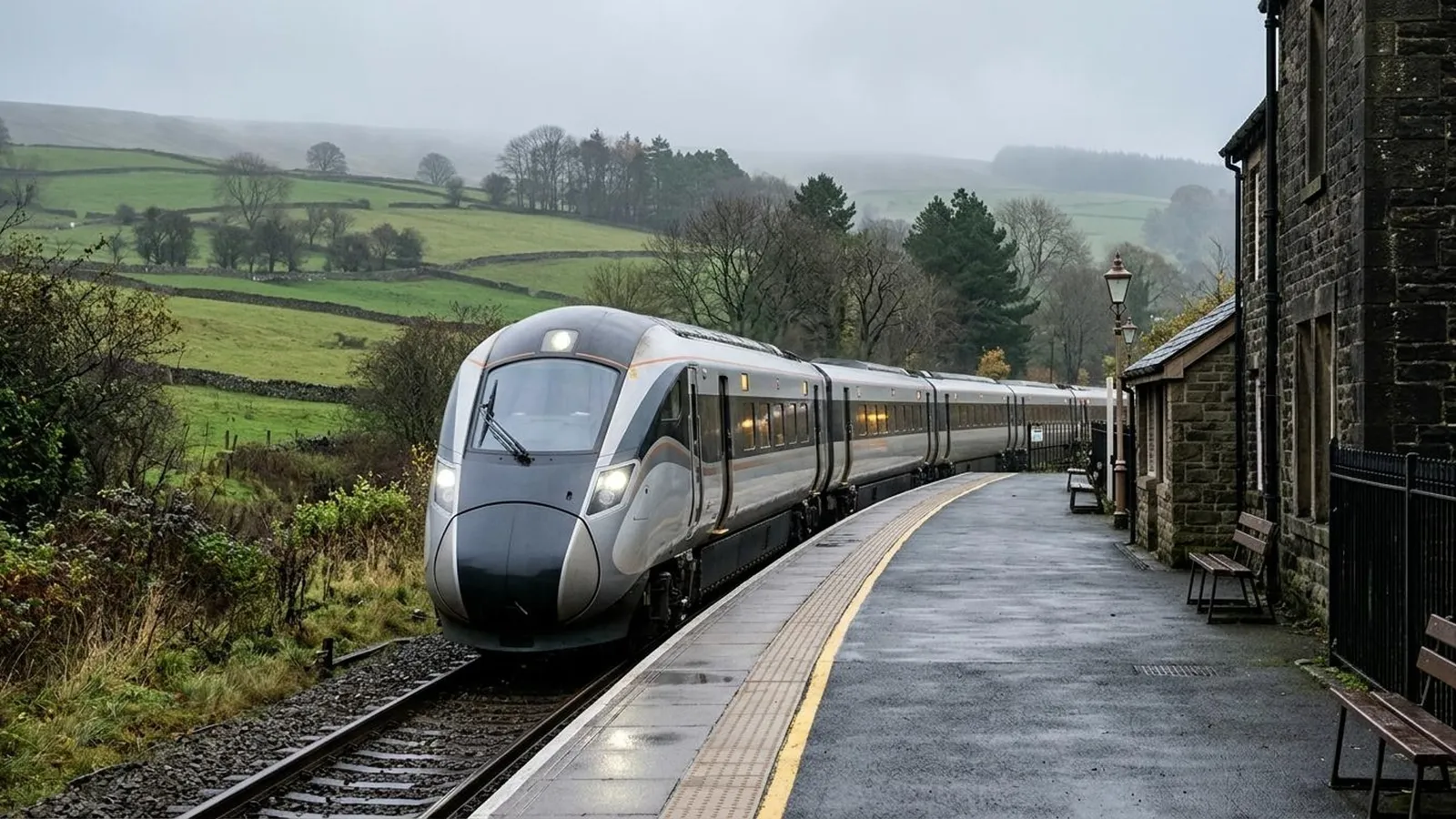
A UK train journey between the same two stations can often be bought as several different tickets, each with its own price and conditions. The cheapest option usually trades flexibility for price. Knowing what each ticket type allows, and what it doesn’t, is most of the work of paying less without getting caught out on the day.
This guide covers National Rail services in Great Britain. It describes how fares are structured, not what they cost, because prices vary by route, date and demand. Check the actual price for your journey with a train company or licensed retailer.
The three main ticket types
National Rail groups everyday tickets into three families: Advance, Off-Peak (including Super Off-Peak) and Anytime (National Rail, buying a ticket, checked November 14, 2026). Season tickets for regular commuters are a fourth type and aren’t covered here.
Advance tickets are valid only on the date and train specified, are sold in limited numbers on a first come, first served basis, and are single (one-way) tickets. You combine two of them to make a return (National Rail, Advance tickets, checked November 14, 2026).
Off-Peak and Super Off-Peak tickets are for less busy times. They don’t tie you to one train, but each carries a restriction code that sets when and on which routes it’s valid. National Rail says Off-Peak hours generally begin at 09:30 Monday to Friday in cities and large towns and at 09:00 elsewhere, and weekends and bank holidays are Off-Peak all day. Where both exist, Super Off-Peak is the cheaper fare with more restrictions (National Rail, Off-Peak and Super Off-Peak, checked November 14, 2026). Those times are a general pattern, not a rule for every journey, so look up the restriction code for your ticket in National Rail’s Ticket Validity Finder.
Anytime tickets have no restrictions on what time you travel and can be used on any train on the route shown. National Rail says Anytime Singles allow travel within two days of the date on the ticket, most Anytime Returns are valid for five days for the outward journey and one calendar month for the return, and Anytime Day tickets are valid only on the date shown (National Rail, Anytime tickets, checked November 14, 2026).
A recent change around London
On routes where contactless pay as you go is available, mainly London and the South East, National Rail says you can no longer buy a Super Off-Peak ticket, Off-Peak fares on those routes were reduced to offset this, and singles now cost around half a return. It lists the evening peak there as 16:00 to 19:00, Monday to Friday, for journeys from or via a London station, and says contactless pay as you go was extended to 20 more stations from March 8, 2026 (National Rail, changes to tickets and peak times, checked November 14, 2026). If you’re traveling to or from London, check which rules apply to your route before assuming the older pattern.
When Advance fares go on sale
National Rail says Advance tickets can usually be bought up to 12 weeks ahead of travel, and on many routes they remain on sale until the day of travel, sometimes up to 10 minutes before departure (National Rail, Advance tickets, checked November 14, 2026). Because they’re sold in limited numbers, the cheapest quotas can go early on busy trains.
Two details matter. First, National Rail’s fare description for Advance (Standard Class) says some of the cheapest Advance fares are only available direct from the train company the ticket is valid with, usually on that company’s own website (National Rail, Advance Standard Class, checked November 14, 2026). Second, the 12-week figure is “usually.” Timetables aren’t always finalized that far ahead, so some dates open later.
What you give up with an Advance ticket
The low price comes with conditions. Under National Rail’s current rules:
- You can change the date or time up to the start of your journey, but you may be charged a £10 fee per ticket plus any difference in fare (National Rail, changing, cancelling and refunds, checked November 14, 2026).
- Advance tickets are non-refundable unless your train is delayed or cancelled and you choose not to travel (same source).
- You may not break your journey, except to change between trains (National Rail, breaking your journey, checked November 14, 2026).
By contrast, National Rail says Off-Peak and Anytime tickets can be refunded for reasons other than disruption up to 23:59 on the day before they become valid, with an admin fee of no more than £5, and refunded with no fee if the service you planned to take is delayed or cancelled and you don’t travel (National Rail, changing, cancelling and refunds, checked November 14, 2026). In most cases you can also break your journey on Off-Peak and Anytime tickets.
The editorial judgment here is simple: an Advance ticket is good value when you’re confident of the train. If your plans depend on a flight arriving on time or a meeting ending on schedule, the price gap to a flexible ticket is partly a payment for not having to rebook.
Split ticketing and the rules that make it valid
Split ticketing means buying more than one ticket to cover a single journey. National Rail says it is allowed under section 14 of the National Rail Conditions of Travel (National Rail, split train tickets, checked November 14, 2026). A hypothetical illustration: instead of one ticket from Station A to Station C, you hold one from A to B and another from B to C, and ride the same train throughout.
The rules National Rail states on that page:
- The train must stop where the tickets change. Your train must stop to drop off and pick up passengers at the station where you split your tickets. A train passing through without stopping doesn’t count.
- You usually stay on the train. Generally you don’t have to leave the train unless the journey already includes a change.
- Each ticket’s own conditions apply. You must travel at the correct time and on the correct train for each ticket type you hold, and carry valid tickets for the whole journey.
- Seats may change. You can reserve a seat for each ticket where reservations are available, but you may have to switch seats at the point the tickets change.
- Railcards can apply to each ticket where permitted.
- Delay rules are the same. The same rules on delays and compensation apply to journeys made using multiple tickets.
National Rail is also clear about the limits: splitting isn’t possible for every trip, isn’t available for all services and ticket types, and isn’t guaranteed to be cheaper. National Rail Enquiries itself doesn’t offer a split ticketing service. If you use a third-party retailer or app that offers split combinations, check that every ticket is valid on the specific train you’ll take, using the Ticket Validity Finder.
Railcards in brief
National Rail describes a Railcard as a discount card giving up to one-third off rail travel, with restrictions on timing and minimum fares on some cards and journeys. It lists cards including the 16-25, 26-30, Senior, Two Together, Family & Friends, Network, Disabled Persons, Veterans and 16-17 Saver (National Rail, Railcards, checked November 14, 2026). National Rail’s Advance page says many Railcard discounts can be applied to Advance fares too (National Rail, Advance tickets, checked November 14, 2026). Eligibility, prices and how visitors can buy them are covered in our guide to UK Railcards and London Travelcards.
A sensible order of checks
Start with when you must travel. If the train is fixed, compare Advance fares on the operator’s own site, since some of the cheapest are sold only there. Because Advance fares are singles, you can also mix ticket types, for example a fixed Advance outward trip with an Off-Peak or Anytime return; National Rail suggests looking at a combination of Advance, Off-Peak and Anytime fares for longer journeys (National Rail, save money on your train ticket, checked November 14, 2026). If you need flexibility, compare Off-Peak against Anytime and read the restriction code. Then see whether a Railcard you qualify for changes the answer, and consider a split only once you’ve confirmed the train calls at the split station. For overnight trips to Scotland, which have their own booking rules, see our Caledonian Sleeper guide.
Common questions
How far ahead can I buy UK Advance tickets? National Rail says usually up to 12 weeks before travel, and on many routes until shortly before departure. Not every date opens exactly 12 weeks ahead.
Is split ticketing allowed? Yes. National Rail says it’s permitted under section 14 of the Conditions of Travel, provided the train stops to pick up and drop off passengers at the station where your tickets change.
Do I have to get off the train at the split point? Generally no, unless your journey already includes a change of trains. You may have to move seats if you hold a separate reservation for each ticket.
Can I get a refund on an Advance ticket? Generally not, unless your train is delayed or cancelled and you choose not to travel. You can change the time or date before departure for a fee plus any fare difference.
Are Off-Peak times the same everywhere? No. National Rail gives a general pattern, but each ticket’s restriction code sets its exact validity. Check yours before you travel.
Sources checked November 14, 2026: National Rail pages on buying a ticket, Advance tickets, the Advance (Standard Class) fare description, Off-Peak and Super Off-Peak tickets, Anytime tickets, changing and refunds, breaking your journey, split train tickets, saving money, changes to peak times, and Railcards. Fares and conditions change; check the current terms for your ticket before you buy.