Which train should you take from Madrid to Barcelona?
Compare Renfe, iryo and OUIGO using the stations, fare conditions and luggage you actually need.

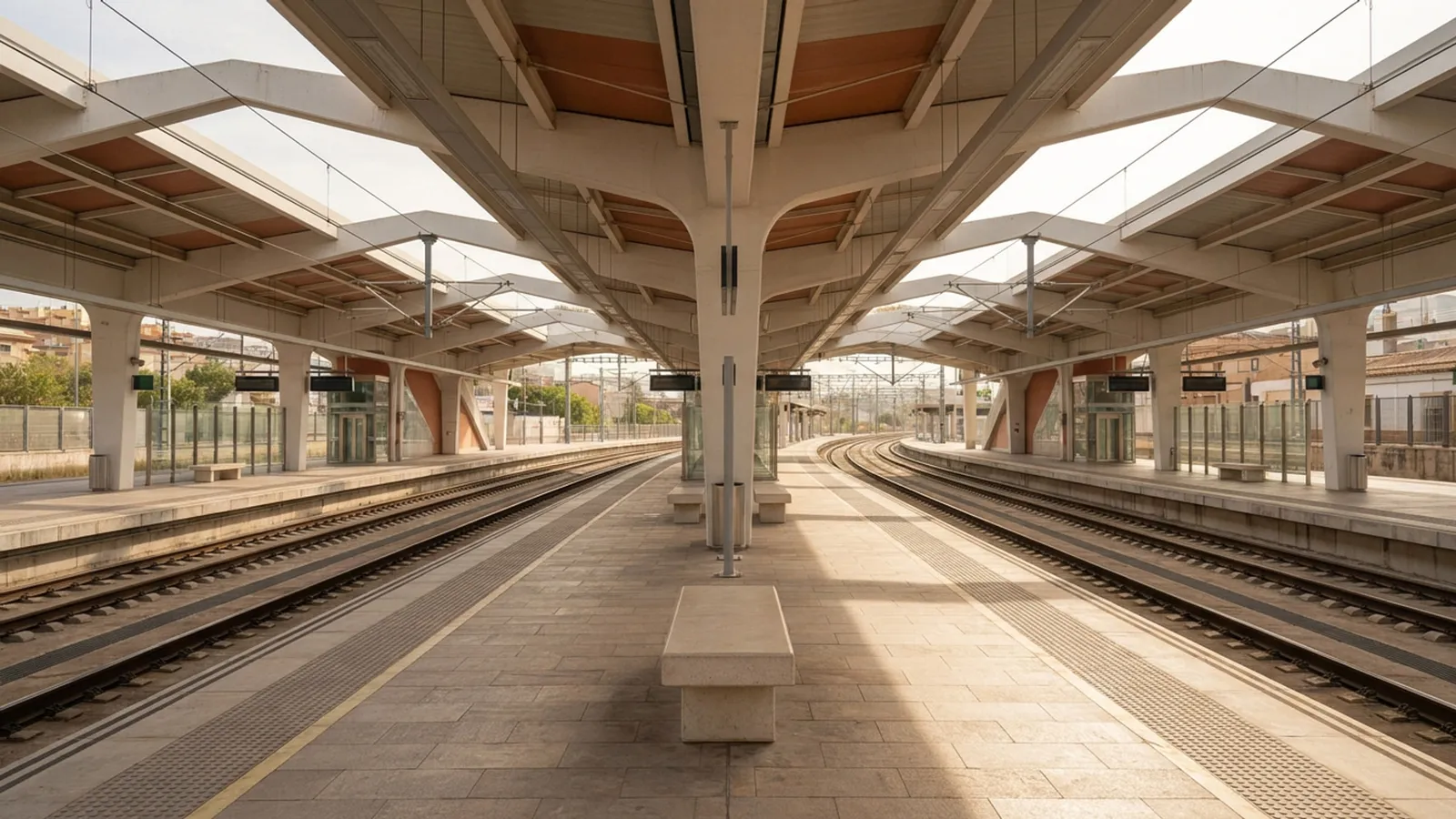
Start with the station you can reach in Madrid and where you need to be in Barcelona. A fare comparison is useful only if it uses departures you can catch and arrivals that fit your plan. Then decide what you need to bring and which ticket conditions matter.
Check the station on each departure
Check Renfe’s route page, iryo’s route page and the OUIGO timetable. Renfe’s route page describes service from Madrid Puerta de Atocha – Almudena Grandes to Barcelona Sants, and OUIGO identifies Barcelona Sants as its Barcelona station and lists both Madrid Puerta de Atocha and Madrid Chamartín-Clara Campoamor among its stations (Renfe, checked November 19, 2026; OUIGO, checked November 19, 2026). Look at the named stations for the departure you would actually buy. Don’t assume all trains use the same stations or that a general route page settles a date affected by works or schedule changes.
Write down how you’ll reach the Madrid station and how long it takes to get from Sants, or the arrival station on the ticket, to your destination. Check the operator’s boarding instructions and leave time to find the entrance. If you’re using an accommodation or airport as your starting point, compare from there instead of from the center of Madrid.
Compare the fare you would actually buy
Take one quote from each operator for the same date, travelers and workable time window. On the checkout page confirm what luggage each fare includes, whether you need to pay for seats together and what happens if you change plans. Check the actual terms for the ticket rather than assuming one rule for every fare sold by the same operator.
| Invented quote | Ticket | Bag or seat costs you need | Local transport | Total |
|---|---|---|---|---|
| Option A | €39 | €12 | €8 | €59 |
| Option B | €45 | €0 | €8 | €53 |
| Option C | €54 | €0 | €5 | €59 |
These are teaching figures, not quotes assigned to Renfe, iryo or OUIGO. In this example B is cheaper for the trip even though A has the lower ticket price. If B arrives too late, remove it and ask which €59 option has the more useful schedule or terms. If you don’t need the added bag or seat, rerun the calculation instead of assuming the same fare wins for a different traveler.
Make one last check before paying
Compare the date, station names, departure and arrival times, traveler details and final total. Save the fare conditions with the booking. If the train is part of a longer separately booked trip, check who can help if you miss it and whether a later train would still get you where you need to go. A savings that leaves you without a workable connection may not be a savings you want.
Check the change you would actually make
If your plans are uncertain, name the likely change before paying for a flexible ticket. A later train on the same day is a different need from a refund if you cancel the trip. Check the exact fare and the operator’s current process for that change. If the cheapest quote leaves you without a usable later train, compare the next available alternative before treating the fare difference as money saved.
Common questions
Can I choose based on operator alone?
Use the operator to find its own timetable and conditions. Railway Reviews has a Renfe operator page and a guide to Más Renfe points. Choose based on the actual departure, total cost and terms you would use.
Which ticket is best if I might change plans?
Compare the exact change conditions and any price difference. Check whether the later train you’d want is likely to be a workable alternative before paying more for flexibility.
Is Barcelona Sants my final destination?
It may be your rail arrival, but allow for the onward trip to where you’re staying or working. Verify the station shown on your own booking.
Sources
- Renfe. Madrid–Barcelona train. Checked November 19, 2026.
- iryo. Madrid–Barcelona train.
- OUIGO. Train timetables and Barcelona Sants station. Checked November 19, 2026.