Which Frankfurt Airport rail station should you choose?
Find the correct Frankfurt Airport station, then check the terminal route and time before booking.

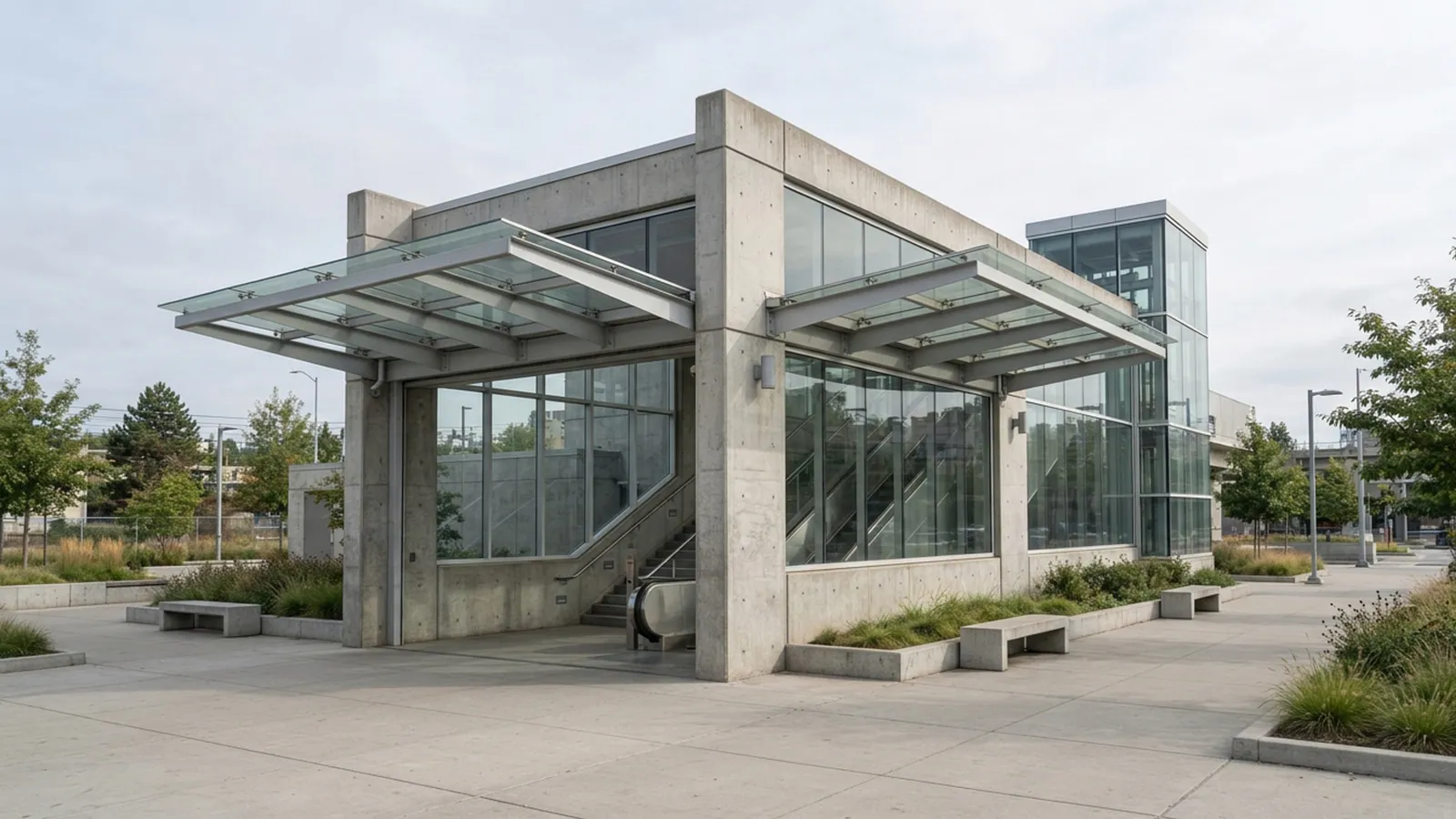
Frankfurt Airport has a regional station and a long-distance station. Before buying a ticket, match the train you want to the station it actually serves. Then check the way between that station and your terminal. A timetable can get you to the airport on paper without getting you to the place you need by the right time.
Match the service to the station
Frankfurt Airport says the regional station is on Level 0 of Terminal 1 and serves S-Bahn and regional trains. The long-distance station serves ICE and IC trains, and the airport describes Terminal 1 as a walk from it (Frankfurt Airport, checked November 19, 2026). Deutsche Bahn’s journey planner is the place to check which station, train and platform apply on your actual date (Deutsche Bahn, checked November 19, 2026).
| If your plan involves | Check before booking |
|---|---|
| A regional trip into Frankfurt or the surrounding area | Look for the regional airport station and verify the specific service. |
| An ICE or IC departure | Confirm the long-distance airport station on the actual itinerary. |
| A change between airport stations | Check both station names, where the walk begins, and what happens if the first train arrives late. |
| A flight after the train | Check the airline’s terminal and cutoff independently of the advertised rail arrival time. |
If the itinerary says Frankfurt’s main station instead of an airport station, check what additional connection you would have to make. Save the full station name so you can find it without reconstructing the search.
Allow for the walk to the terminal
The airport describes a walking route from the long-distance station to Terminal 1 and gives directions for using the SkyLine to reach Terminal 3 from either station (Frankfurt Airport, checked November 19, 2026). Check the airport’s current route and accessibility details. Include time to reach the platform or train, find the right terminal area and complete whatever your airline requires.
In an invented example, a traveler expects to reach the airport by long-distance train at 10:40. Their chosen terminal meeting time is 11:15. That leaves 35 minutes for everything between getting off the train and meeting. They plan to check which terminal their companion is actually using, allow time to navigate with bags, and consider the earlier train if a missed connection would disrupt the day. The figures are illustrative and are not a recommended connection time or an airline cutoff.
Check who can help if plans fail
If the tickets were bought separately, ask the train seller and airline what they can do if the rail leg is delayed. If you’re offered a combined rail and air booking, look at the actual documents and confirm who handles a missed connection. Keep the booking reference and contact details with the station directions. For rail-only connections, see through ticket or separate bookings. A similar station name or a convenient arrival time tells you nothing about what an agreement covers.
Save one note with both station names
Copy the full station name from your ticket, the direction you need signs for and your terminal. If a changed train arrives at the other airport station, update the walk and terminal time rather than assuming the original plan still works.
Common questions
Can I choose either airport station on the booking screen?
Choose the station the train actually uses. Check the specific departure rather than relying on the word “airport” alone.
Is the regional station in the terminal?
The airport places it on Level 0 of Terminal 1. Check the current directions if you’re arriving elsewhere or need a step-free route.
Can I rely on the rail timetable for a flight connection?
Use it to establish when you expect to reach the station. Then add the terminal transfer and verify the airline’s times and the booking terms independently.
Sources
- Frankfurt Airport. Travel by train. Checked November 19, 2026.
- Deutsche Bahn. International site and journey search. Checked November 19, 2026.