A rail-replacement bus in your UK journey: check the stop, bags and connection
A practical UK rail guide for replacement stops, luggage, assistance and protecting an onward connection.

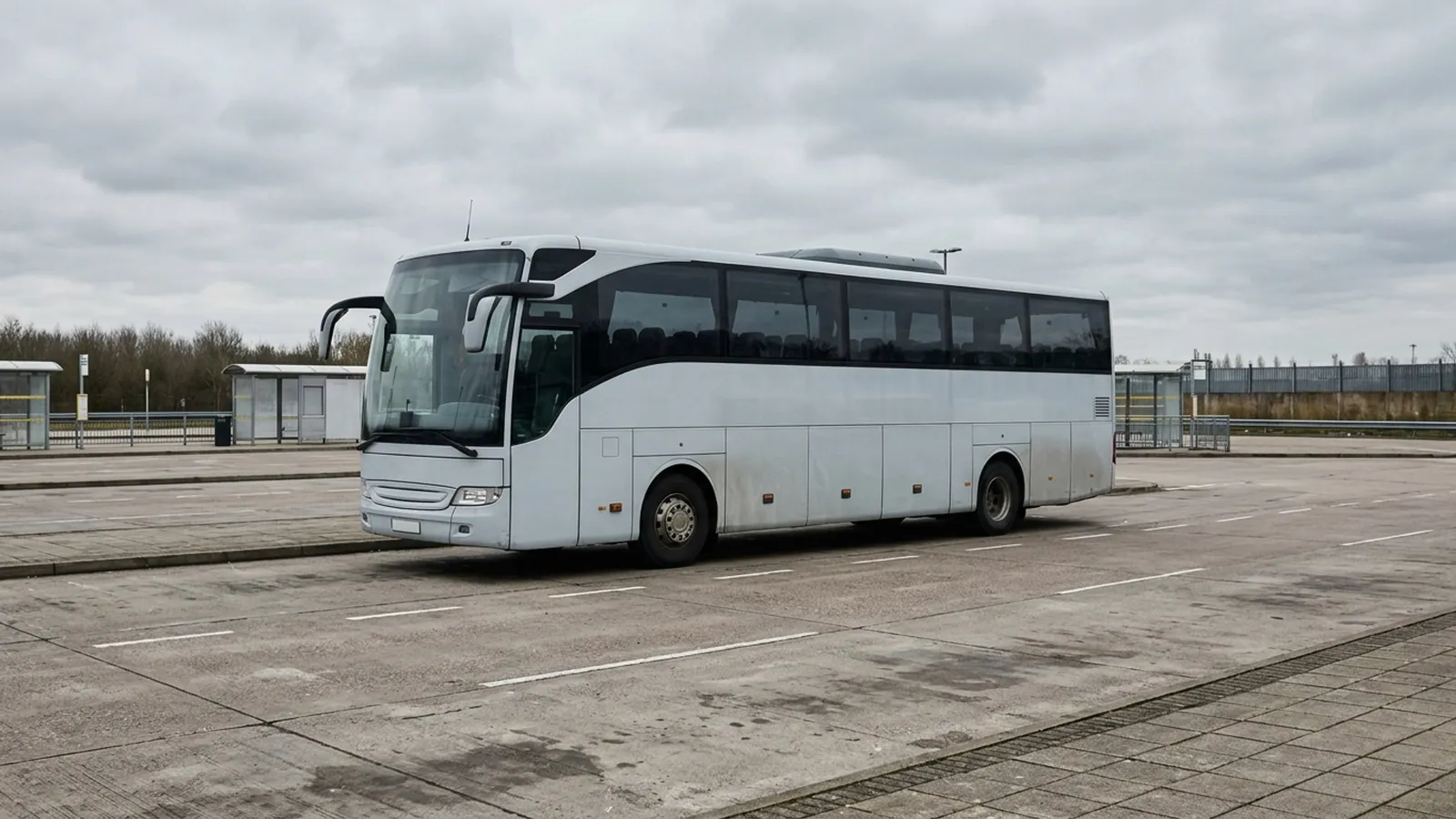
A journey sold through a rail planner may include a road section. It can still be a workable route, but the vehicle, boarding point and luggage arrangements may differ from the train you expected.
Check the whole itinerary before buying, particularly if you are connecting to a flight, carrying bulky luggage or need assistance. A familiar station name does not guarantee that the replacement service leaves from the platform entrance.
Find the road section in the plan
National Rail’s replacement-service guide says its Journey Planner shows where a replacement service operates for all or part of a trip. Read the legs rather than only the origin, destination and total price.
Record the replacement departure, stops and connection time. A different weekend plan can be needed even when the same route worked smoothly on an earlier weekday.
Check again close to travel. Keep the operator’s current information accessible offline, but do not mistake an old saved screenshot for the latest service advice.
Find the actual boarding point
National Rail points to signs, station onward-travel maps and the Transport Links section of individual station pages for replacement stops. Some meeting points can be near the station rather than directly at it.
Allow time to find that stop before the scheduled departure. A few minutes between a train and a bus can mean more than walking along a platform, especially when the route crosses a road or involves a different entrance.
Do not follow an unmarked crowd simply because people look as though they are making the same connection. Check the destination and operator information, and ask staff where available.
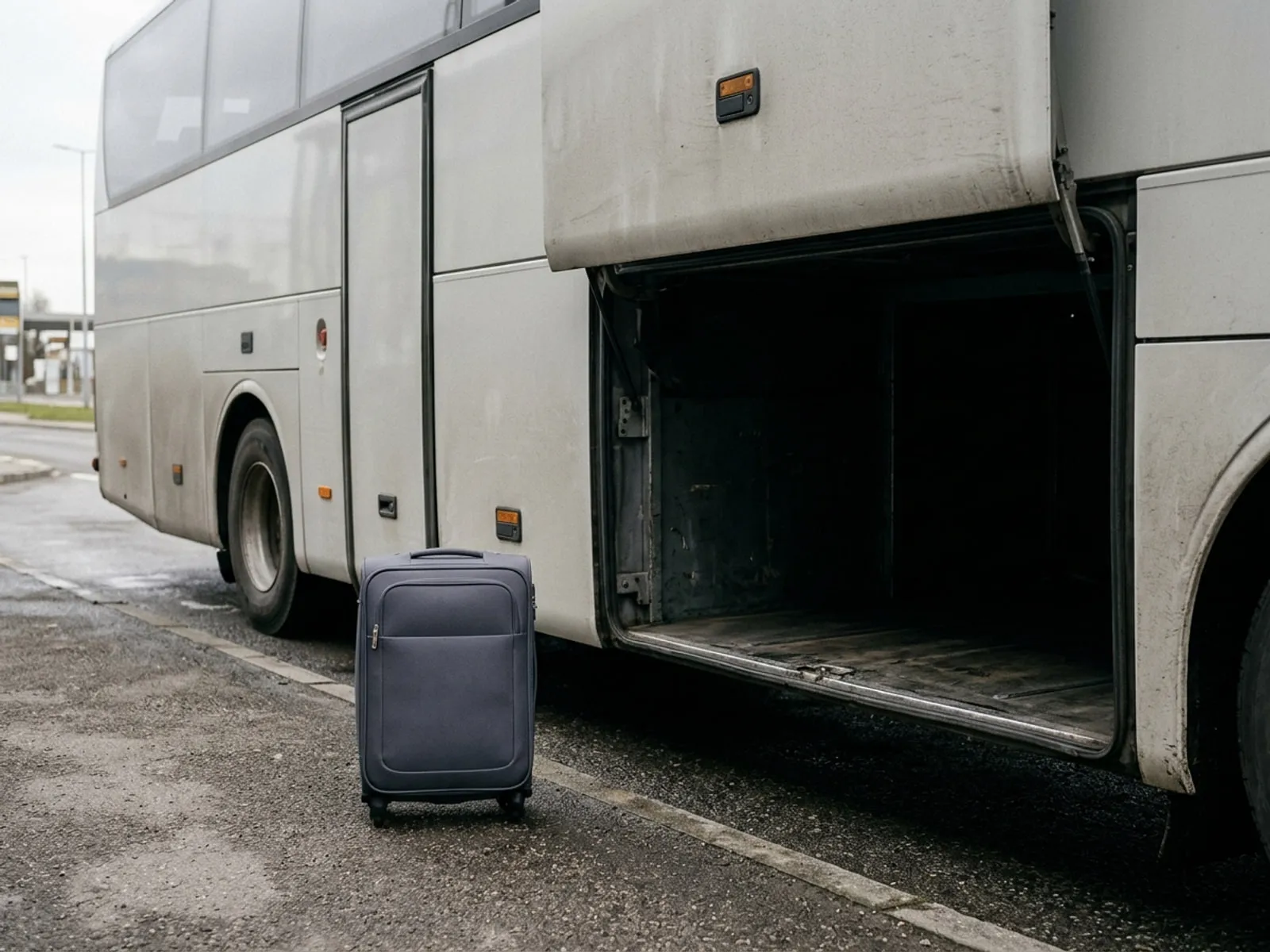
Check bags and accessibility directly
The guide distinguishes buses, coaches and several smaller vehicle types. Their luggage space and boarding arrangements differ. Do not assume that a bag accepted on the train fits every replacement vehicle without difficulty.
If traveling with a bicycle, pushchair, assistance animal or mobility equipment, use the train company’s specific guidance and assistance process. National Rail directs passengers to individual operators for those details.
Confirm the relevant vehicle or suitable arrangement before relying on it. A general photograph of an accessible coach does not establish which vehicle will run on your departure.
Protect the important connection
Consider an invented airport journey. The normal train arrives at 11:10, while the replacement itinerary arrives at 12:05. That 55-minute difference can affect a flight plan even though both results appear under the same station pair.
Add the airport transfer, check-in deadline and the margin you want for disruption. A cheaper fare is not good value if it leaves too little practical time to catch the onward service.
If you choose another route or a taxi, check ticket acceptance and any reimbursement promise before paying. Do not assume the rail operator will automatically cover a self-chosen alternative.
Plan one manageable journey
For a traveler without a tight deadline, the replacement may be an acceptable inconvenience. Pack so you can move your own bags between vehicles, know the stop and avoid adding a second unnecessary connection.
For someone with a fixed onward departure or a difficult transfer, a different train time, another route or an overnight stop may make the trip more comfortable. Compare the full cost rather than insisting that the first result is the only way to travel.
Keep the distinction between a planned replacement and an unexpected cancellation clear. The rights, choices and immediate information can differ. For a disrupted journey, follow the operator’s current advice and keep the original booking details privately.
The goal is to understand the journey you are buying. A rail-replacement bus is easier to handle when it is part of that plan rather than a surprise discovered at the station.
Sources
National Rail: rail-replacement services, checked November 16, 2026. Timetable illustration is invented; no particular bus, connection or compensation entitlement is promised.
Continue planning
How to book trains in the UK and Europe: operators, booking windows and reservations. Read every leg of a rail itinerary, including a replacement road section, before deciding the connection works.
Check luggage for the whole journey: plane, train and hotel. Plan luggage across the full journey, including the transfer between train and replacement vehicle.
A flight and a train: one booking or separate arrangements?. A replacement arrival time can affect a separately booked flight; check how the arrangements fit together.