Choosing a train seat: reservation, preference and the view you actually want
Route-specific seating guidance that distinguishes preference, allocation and confirmed product, with Eurostar examples.

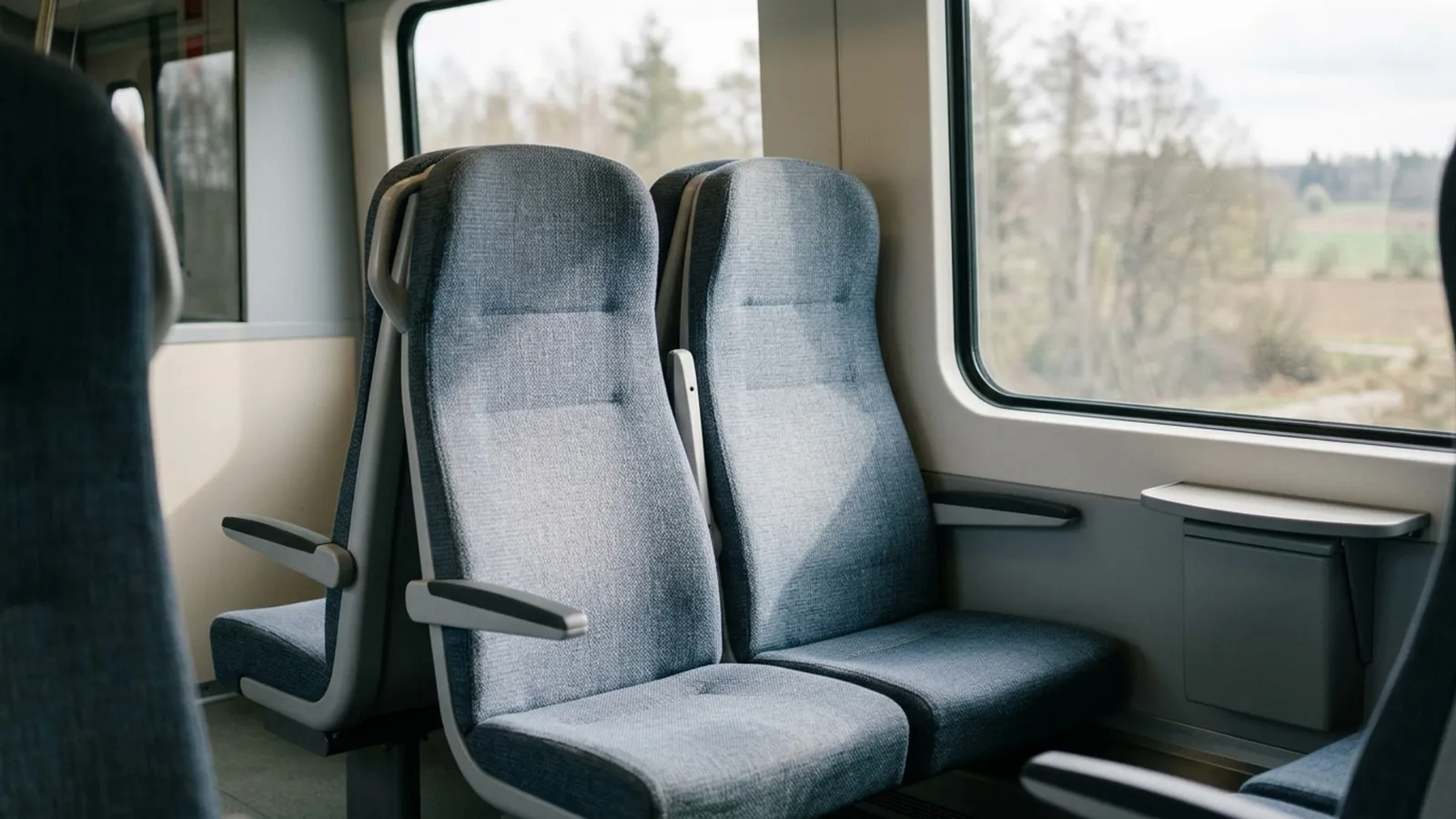
A window seat is a useful request, but it does not answer every seating question. You may care more about traveling together, facing forward, avoiding a table, reaching luggage easily or having a comfortable place to work.
Start with those needs, then check what the particular train and ticket allow. A seat preference, an allocated seat and a reservation for a particular service are related but different pieces of information.
Choose your priorities before the map
Pick the two things that would most affect the journey. For a couple, sitting together may matter more than two separate windows. For a solo traveler who needs frequent movement, aisle access may be worth more than a scenic-side recommendation.
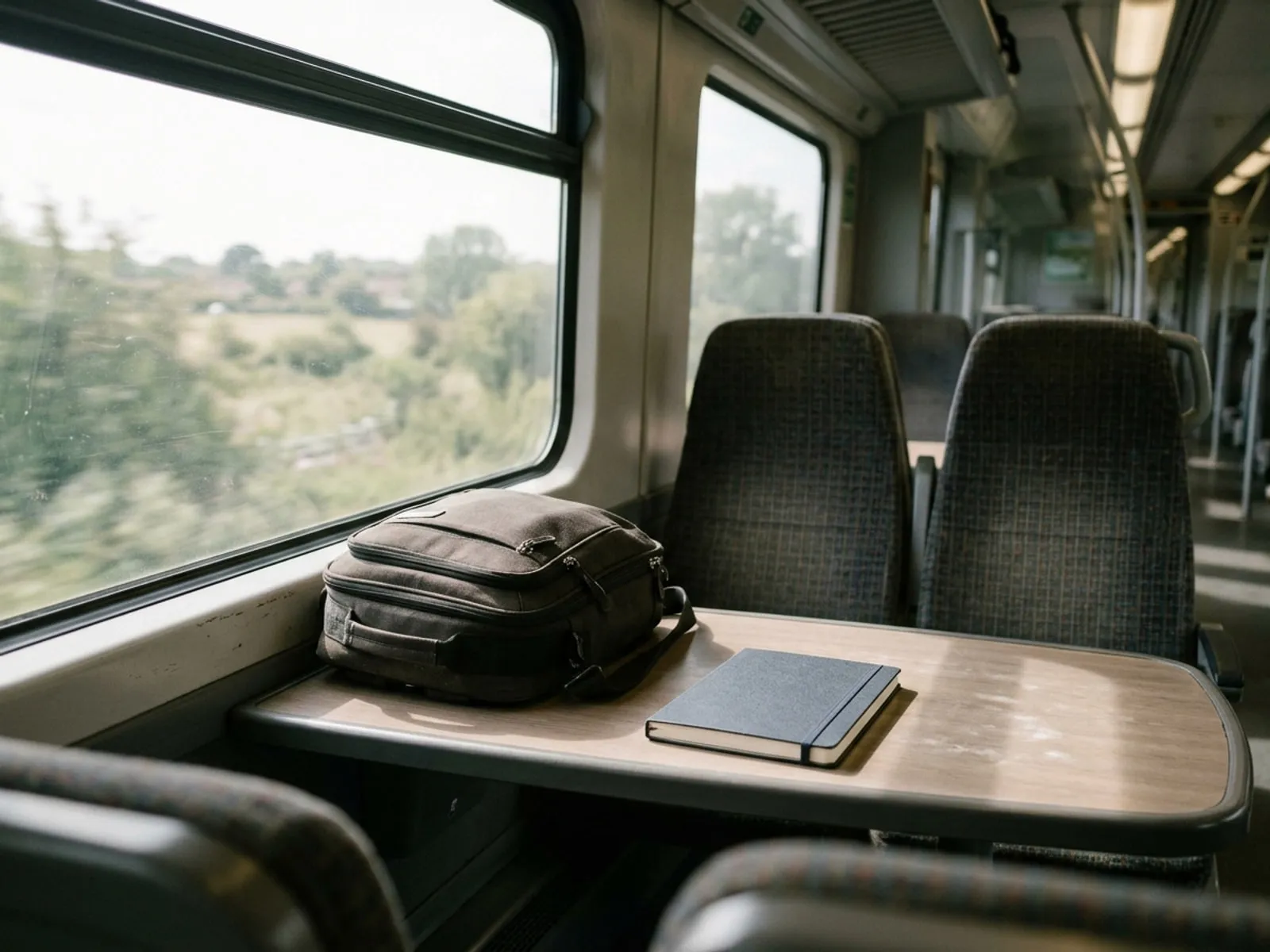
Think about table arrangements as well. A shared table can be pleasant for conversation or work, but it may put you opposite another passenger. An airline-style pair can feel more separate, yet may provide a smaller working surface. Look at the actual train layout rather than assuming every operator’s label means the same thing.
Accessibility, assistance and space for required equipment deserve direct confirmation through the operator’s process. A generic seat preference is not a substitute for arranging a specific need.
Check whether you can choose at all
Eurostar illustrates why the route and product matter. Its seat-selection FAQ says travelers to and from London can change seats through Manage Your Booking, subject to availability, and use arrows on the plan to see the facing direction.
For services between Belgium, France, the Netherlands and Germany, it describes selection for Plus and Premier, while Standard does not allow a seat choice or preference. It also excludes selecting your own seat on SNAP bookings. These are the rules checked in November 2026, not a promise about every European train.
Check each leg. A connecting journey can involve different operators, reservation systems and rolling stock even when sold in one transaction.
Separate your request from the confirmed result
If the booking process asks whether you prefer a window, inspect the final reservation to see what it allocated. A checked preference box does not itself tell you that the requested seat was available.
Record the train, date, coach and seat where provided. Keep the confirmation accessible offline. Where a ticket permits travel without an assigned seat, do not mistake the absence of a seat number for a booking failure; check that product’s actual reservation conditions.
Avoid judging the result from seat number alone. Without the correct vehicle plan, a number can tell you little about direction, window alignment or table position.
Plan for a changed train
An allocation is useful, but equipment or operational changes can affect it. Eurostar explicitly says an alternative seat may be assigned. Before paying extra solely for a seat attribute, read what the operator promises and what it does if that attribute changes.
Do not move into another seat just because it looks better: it may be reserved from a later station. Check the display where applicable and ask staff when unclear.
For a scenic journey, identify the geographic section you care about, then decide whether the view is important enough to drive the booking. A recommendation about the “best side” should come from the actual route and direction, not a generic map of the country.
Work the seat into a complete journey
Imagine two acceptable trains. One costs €70 with a seat allocation, the other €90 with a choice that lets you sit together at the time of booking. The €20 difference buys that option and any other fare differences; it does not buy a universal guarantee against changes.
For a short ride, you may prefer the cheaper ticket. For a long journey with a companion, the choice may be worth it. Compare departure time, connections and flexibility too. The perfect seat is poor compensation for an itinerary that leaves too little time to change trains.
Sources
Eurostar: Can I choose my seat?, checked November 16, 2026. Other operators and individual trains need separate checks. Example prices are illustrative.
Continue planning
Eurostar guide: classes, booking, check-in and luggage between London, Paris, Brussels and Amsterdam. Use the Eurostar guide for the wider route and departure process, then apply the seat rules for your specific service and class.
How to book trains in the UK and Europe: operators, booking windows and reservations. Keep the ticket, any required reservation and the allocated seat distinct when booking a multi-operator journey.